

Global gas demand to decline in 2026 as Middle East conflict tightens supply, IEA says
Wednesday, July 8 2026 - 08:03 AM WIB
By Romel S. Gurky
Global natural gas demand is expected to decline by 0.5% in 2026 as tighter supplies and higher prices resulting from the conflict in the Middle East reduce consumption in major markets, the International Energy Agency (IEA) said on Tuesday.
The projected decline would mark the third annual contraction in global gas demand in the past seven years, driven mainly by lower gas use in the power generation and industrial sectors.
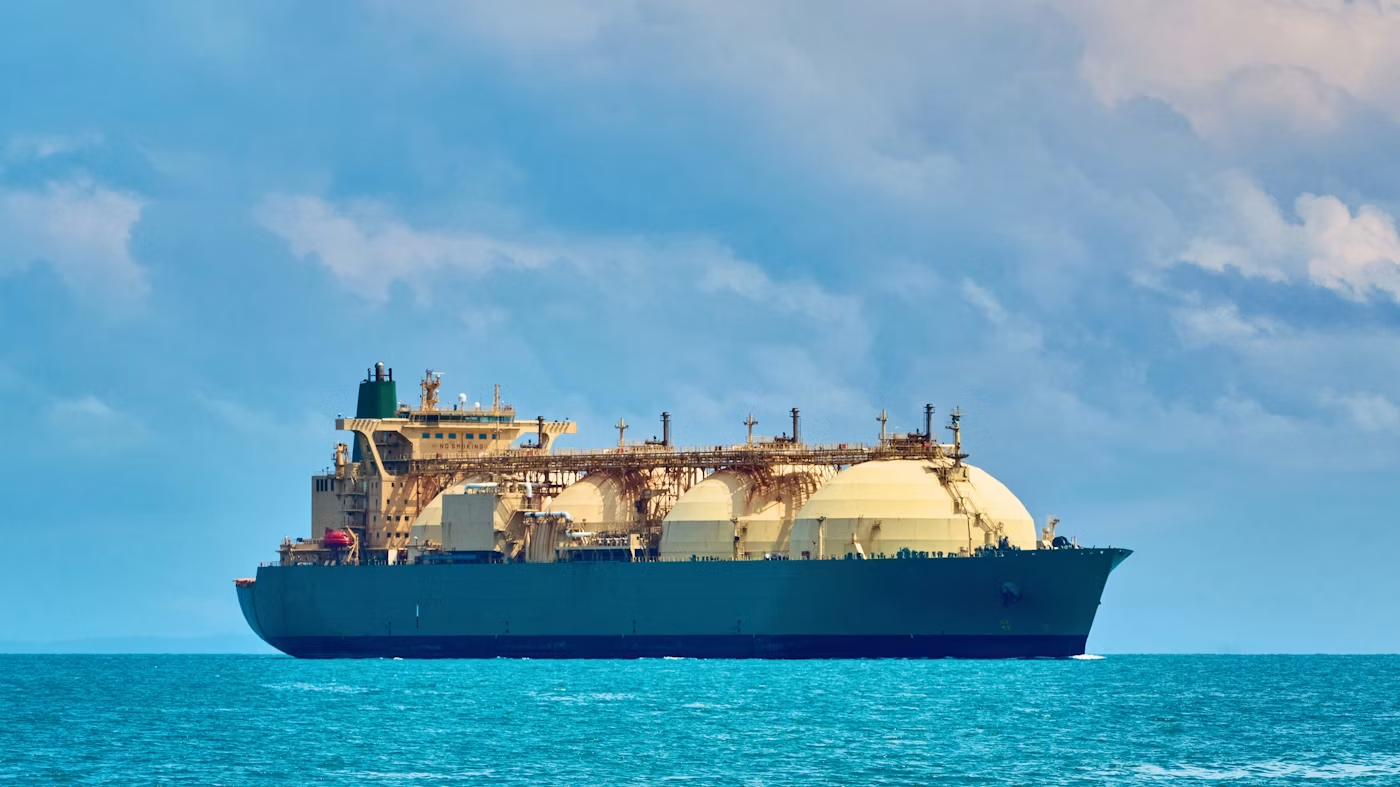
In its third quarter Gas Market Report, the IEA said the war in the Middle East has disrupted gas shipments through the Strait of Hormuz, which previously handled about 20% of global liquefied natural gas (LNG) supply. Although LNG tanker traffic has increased since the United States and Iran reached an interim agreement in mid June to reopen the waterway, volumes remain below pre conflict levels and uncertainty over future trade flows persists.
Natural gas prices in Asia and Europe have eased from peaks reached in March but remain well above 2025 levels, continuing to weigh on consumption.
Initial data indicates that global gas demand declined during the first half of 2026 compared with a year earlier. The decline was led by lower demand in the Middle East following supply shortages and damage to gas intensive industries. Consumption also weakened across Asia as higher prices and government policies encouraged fuel switching, particularly from gas to coal in the power sector.
The report said LNG output from Qatar and the United Arab Emirates fell by almost 80% during the March through June period compared with the same period in 2025. However, total global LNG supply for 2026 is expected to remain broadly unchanged from last year as additional production from new projects in North America, Africa and Australia offsets lower Middle Eastern output.
The IEA warned that if the Strait of Hormuz is not fully reopened before the start of the fourth quarter, global LNG supply could record its first annual decline since 2012.
The agency also said the effects of the conflict are likely to extend beyond this year. Damage to gas infrastructure, including Qatar's Ras Laffan liquefaction complex, is expected to delay the country's planned LNG capacity expansion, reducing projected supply growth in 2026 and 2027 and keeping the global gas market tighter than previously anticipated.
Beyond energy markets, the report said disruptions to natural gas supply are affecting global fertilizer supply chains because gas is a key feedstock for fertilizer production. The resulting pressure on fertilizer availability could have implications for food supply security, particularly in vulnerable regions.
Editing by Alexander Ginting